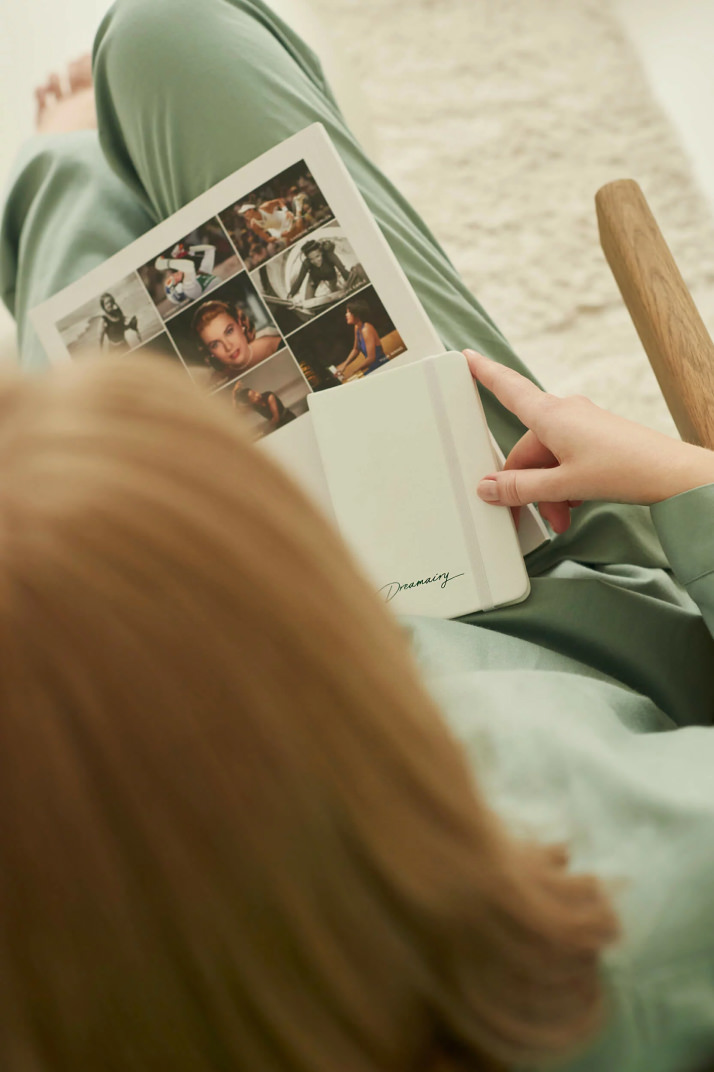
Gift ideas for women – go for natural gifts
Choosing the perfect gift for a woman often keeps us awake at night. Are you wondering what to choose to


Previous lowest price was 15,95 €.
Select options This product has multiple variants. The options may be chosen on the product pageDo you know what makes linen clothes so special? This article will reveal the secrets of linen, a fabric that has been admired for its properties for centuries. You’ll discover what makes linen clothes timeless, how to recognise high-quality linen fabrics, and how to look after them so they’ll last for many years. We invite you to discover the world of linen, which may soon become your favourite fabric!
In today’s world, where we’re paying ever greater attention to the environment and looking after our own health, it’s worth turning to natural fabrics. Linen clothing is an excellent alternative to synthetic materials, offering a range of benefits for both our health and the environment.
Linen is a plant-based fibre with remarkable properties, long prized by slow-fashion enthusiasts. Linen clothing is impressively durable, and with the right care, it’s guaranteed to last a long time.
Linen garments are breathable, making them ideal for hot days. Furthermore, linen is hypoallergenic and inhibits the growth of bacteria and fungi, so it is an excellent choice for people with sensitive skin and allergies.
Another advantage of linen is its thermoregulatory properties. The fabric maintains body temperature balance — meaning it cools you down when it’s hot and keeps you warm when it gets cooler. As a result, linen clothing is ideal for every season.
By choosing linen clothes, we’re not only looking after our own comfort but also supporting environmental protection. Linen is grown organically — its production requires less water, pesticides and artificial fertilisers compared to other fibres.
Data from the European Flax and Hemp Confederation shows that producing a linen shirt saves as much water as 13 half-litre bottles, compared with other materials. What’s more, linen is biodegradable and decomposes within a few weeks after being buried in the ground.
Flax is a plant with the ability to self-clean, meaning it does not require the use of harmful chemicals. Its cultivation has a beneficial effect on the soil, improving its structure and contributing to increased biodiversity. What’s more, every part of the flax plant is put to use, which minimises waste and makes flax production more sustainable.
Linen clothes are also biodegradable — at the end of their life, they leave no harmful traces in the environment. This means that by choosing linen clothes, we support sustainable development and help reduce the negative impact of the clothing industry on the planet.


Previous lowest price was 32,47 €.
In a world dominated by fast fashion, it’s worth investing in clothes that will last for many years. Below you’ll find key tips on what to look out for when choosing linen clothes, to ensure they’re made from high-quality materials and durable weaves.
The density of linen fabric is one of the key factors affecting its quality. Here are a few tips to help you assess the density:
The weave of a linen fabric affects its appearance, texture and practical properties. Here are a few basic types of weave that are worth knowing when choosing linen garments:
Plain weave — This classic linen weave, with a rectangular arrangement of threads, is simple yet durable. Clothes made from plain-woven fabric usually display even and delicate lines. Garments with this weave are hard-wearing and ideal for everyday use.
Satin weave — In satin weaves, the fibres are woven in a way that creates a smooth, lustrous surface. Satin-woven fabrics have an elegant appearance and are pleasant to the touch. Garments made with this weave are perfect for special occasions when you want to look your best.
Jacquard weave — Jacquard weave is characterised by a complex pattern created using special looms. Jacquard fabrics are more decorative and add a unique style to garments. Due to their intriguing appearance, garments made from this weave are most often chosen for more formal occasions.
Creton weave — Creton is a linen weave characterised by subtle patterns created by changes in the direction of the threads within the fabric. Creton gives garments a unique, slightly sophisticated look, whilst ensuring they are comfortable to wear.
Choosing the right linen weave is crucial in terms of both aesthetics and practicality. Each of the weaves mentioned has its own unique properties and influences the appearance of garments, allowing us to select them according to our own style and needs.
When choosing linen garments, it is worth paying attention to quality certificates and standards that attest to environmental responsibility, ethical production and high-quality materials. One such certificate is the OEKO-TEX Standard 100, which confirms that the fabric contains no harmful chemicals and is safe for human health. This certification also guarantees that the products are environmentally friendly. In the Dreamairy collection, you’ll find only linen garments certified to the OEKO-TEX Standard 100.
By paying attention to these certifications, you are not only investing in high-quality products, but also supporting responsible production and care for the environment and the welfare of workers. In doing so, you are making a choice that benefits both you and the world.
Despite their durability, linen garments require proper care. It’s a good idea to know the key rules for washing, drying and caring for them so that you can enjoy your linen clothes for many seasons to come. Below you’ll find advice on how to look after your linen garments properly to extend their lifespan and enjoy their beauty every day.
When it comes to washing linen clothes, you have the choice of either hand washing or machine washing. If you choose to machine wash, always check the care label and follow the manufacturer’s instructions. Linen garments should be washed at a low temperature, ideally 30°C or 40°C, on a gentle cycle. It’s also a good idea to sort your clothes by colour to prevent the fabrics from bleeding.
Hand washing is an alternative for those who wish to take particularly gentle care of their clothes. Fill a sink or basin with lukewarm water, add a mild detergent and stir gently. Place the garment in the water and rub it gently, avoiding tugging or wringing. Then rinse the garment in clean water until all traces of detergent have been removed. Remember not to wring out linen garments; instead, gently squeeze out the excess water before drying.
Choosing the right detergent is essential for maintaining the quality of linen garments. Avoid detergents containing bleach or enzymes, which can damage the delicate fibres of linen. Instead, choose mild, natural detergents designed for washing natural fabrics. You can also use special washing products designed for linen, which are available in shops.
If your linen garments are heavily soiled, avoid using too much detergent, as this can make them difficult to rinse out. Instead, you can pre-wash the soiled areas by hand using a mild soap, and then add them to the wash.
To clean the fabrics, remove any detergent residue and refresh the colour, you can add a little vinegar to the rinse cycle. Remember, however, not to use too much, as an excessive amount may affect the softness of the fabric. Use about a quarter of a glass of vinegar per wash.
Drying and ironing linen garments correctly helps to maintain their quality and appearance. Here are a few tips to help you look after your clothes:
By looking after your linen clothes according to these tips, you’ll preserve their quality and appearance for a long time.
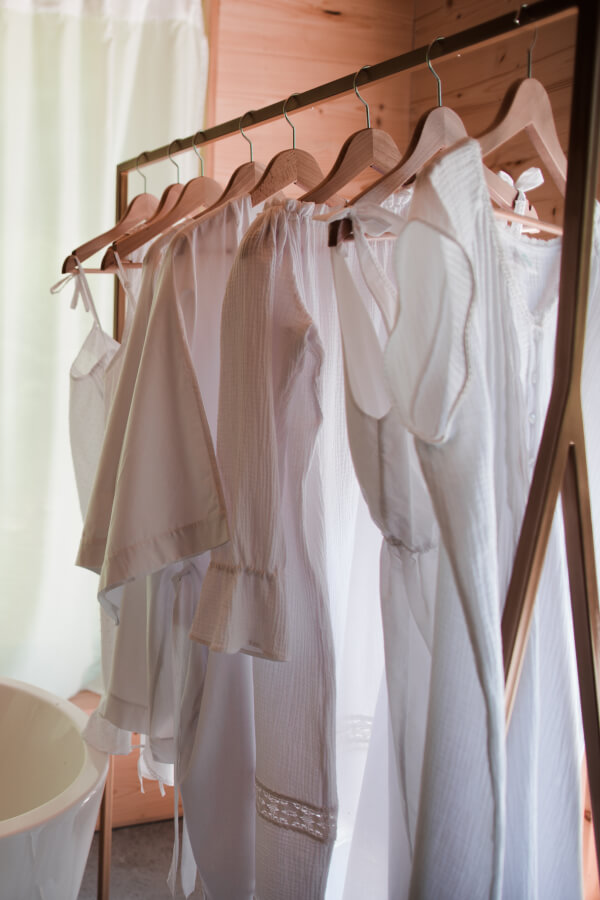
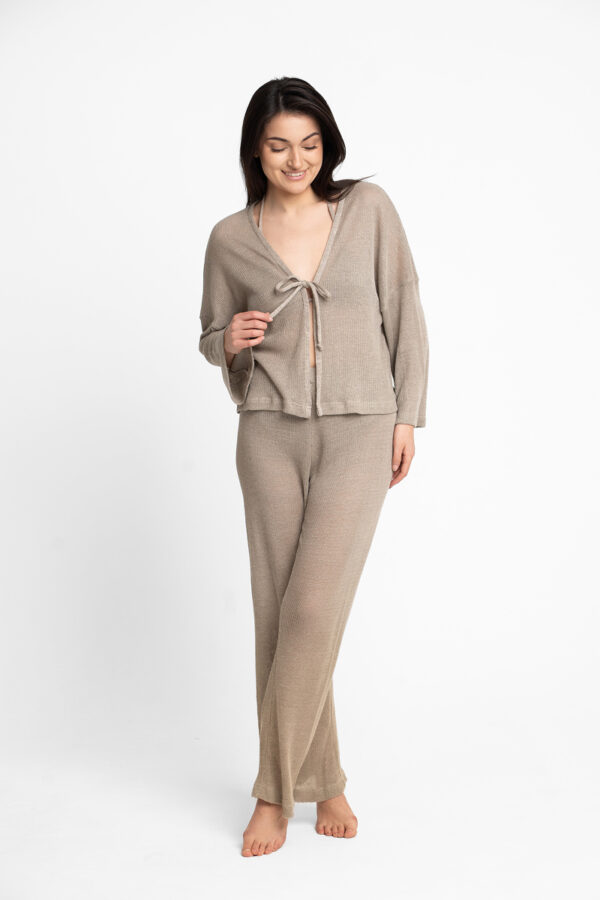
Linen pyjamas are an excellent choice for warm summer nights. Thanks to properties such as breathability, thermoregulation and hypoallergenicity, wearing linen pyjamas ensures exceptional sleeping comfort.
Linen is highly breathable and absorbs moisture, allowing your skin to breathe and maintain an optimal body temperature. This is particularly important on hot days, when humidity can prevent a comfortable night’s sleep.
Linen pyjamas are not only comfortable but also stylish. Available in a variety of styles and colours, they can be the perfect gift for yourself or a loved one. What’s more, linen fabrics become softer and more pleasant to the touch over time, meaning that your linen pyjamas will last for many years, ensuring unrivalled sleeping comfort.
Linen garments are an excellent choice for women who value comfort, natural materials and an eco-friendly lifestyle. In this article, we’ve outlined the many benefits of linen, as well as practical tips on caring for and choosing high-quality linen garments.
We hope our article has provided you with valuable information about linen and its unique properties. We encourage you to keep an eye on the latest news from Dreamairy, where you’ll soon find linen pajamas in a variety of colours and styles, perfect for summer.
If you’d like to stay up to date with our new releases, promotions and receive notifications about new blog posts, be sure to sign up for our newsletter. That way, you won’t miss out on any updates and you’ll gain access to special offers exclusively for our subscribers.
Previous lowest price was 32,47 €.
Select options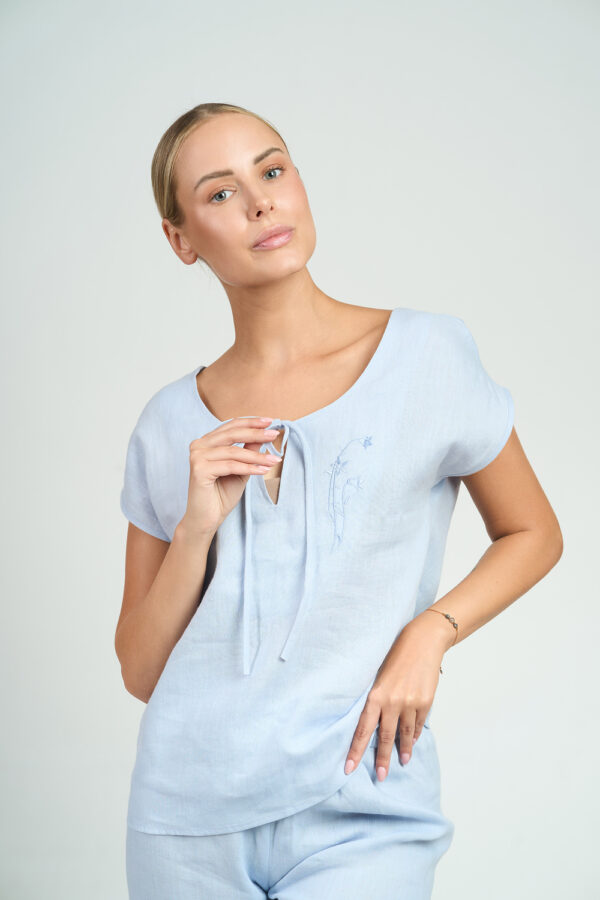
Choosing the perfect gift for a woman often keeps us awake at night. Are you wondering what to choose to
Do you know what makes linen clothes so special? This article will reveal the secrets of linen, a fabric that

Are you looking for a gift that will delight the bride-to-be? A well-chosen nightwear set is sure to be a